Let me ask you something. When was the last time you got your blood sugar checked?
If you can’t remember — you’re not alone. Millions of people in India are walking around with high blood sugar and have no idea.
India now has more diabetes patients than almost any other country. Over 101 million adults are living with it right now. And a huge chunk of them? Right here in cities like Bangalore.
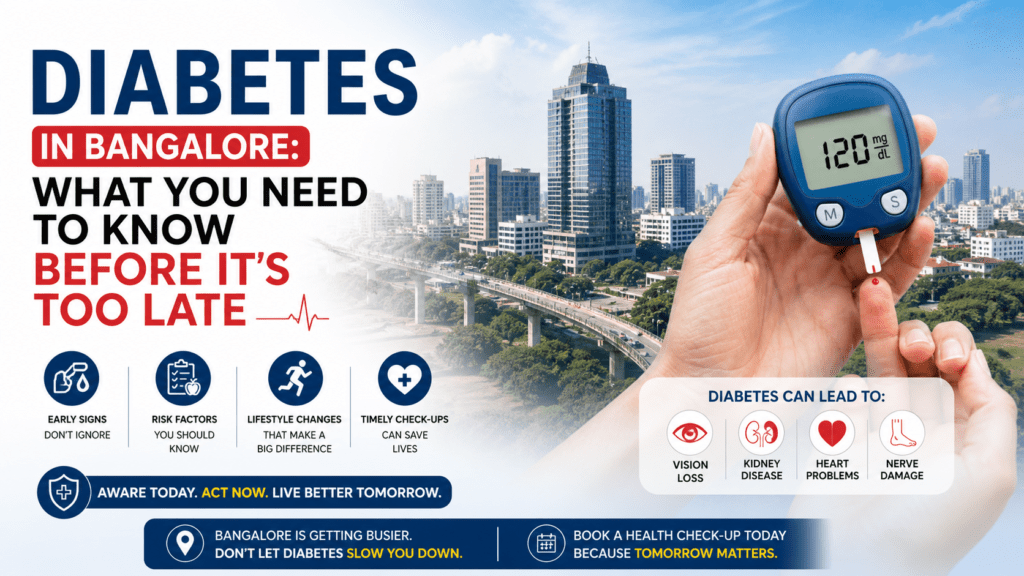
Diabetes in Bangalore is growing fast. Think about it — long hours at a desk, skipping lunch, late-night deadlines, and stress that just doesn’t stop. That’s the reality for so many of us. And our bodies are paying the price.
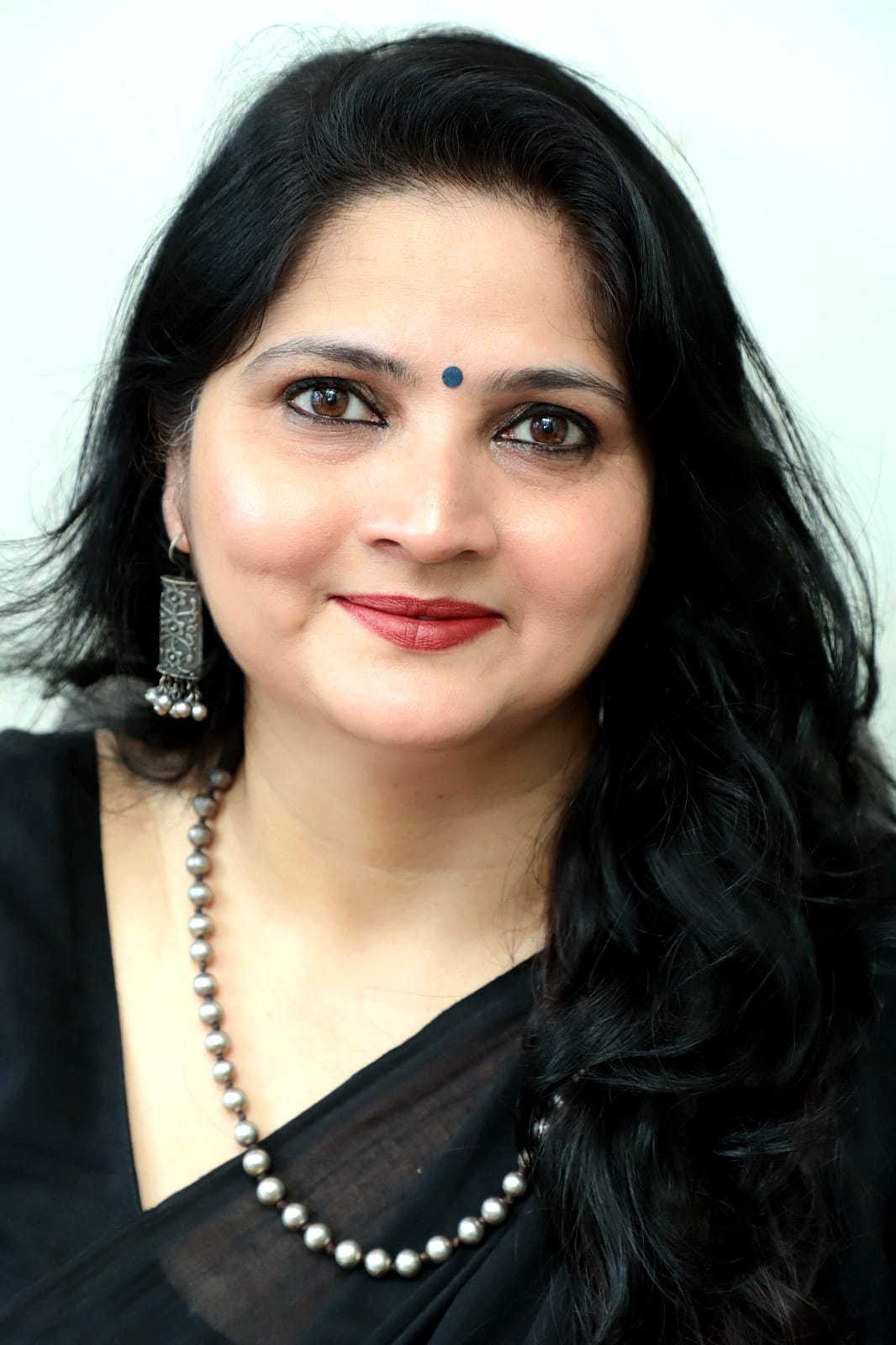
Dr. Priyanka is a certified dietician in Bangalore. She’s spent 20+ years working with real patients — not textbooks. She specialises in therapeutic nutrition, Ayurveda dietetics, and nutrigenomics. In this article, she breaks it all down in plain, simple language.
How Bad Is the Diabetes Problem in India? These Numbers Are Alarming
Okay, let’s talk numbers. And I promise — this isn’t meant to scare you. It’s meant to wake you up.
- 101 million+ Indians have diabetes as of 2023. That’s from the ICMR-INDIAB study — one of the largest diabetes surveys ever done in India.
- 136 million more are in the pre-diabetes zone. That means they’re heading towards it — but can still turn things around.
- 57% of people with diabetes don’t even know they have it. More than half. Think about that.
- Bangalore, Chennai, Mumbai — these cities have much higher diabetes rates than rural areas. Urban life is a big part of the problem.
- India carries 17% of the world’s diabetes burden. That’s way more than our share of the global population.
- If you’re an IT professional working a desk job in Bangalore? Your risk of Type 2 diabetes could be 2 to 3 times higher than average — especially if your sleep is disrupted.
But here’s the thing. This doesn’t have to be your story.
With the right food, movement, and support, diabetes can absolutely be managed. And in many pre-diabetes cases? It can be reversed.
What Even Is Diabetes? Let’s Keep It Simple
Your body runs on glucose — basically sugar from the food you eat. To get that sugar into your cells, your body uses a hormone called insulin. Think of insulin as a key, and your cells as locked doors.
In diabetes, either the key is missing, or the locks stop working. So sugar just builds up in your blood instead of going where it’s needed.
There are three main types. Here’s a quick breakdown:
| Type | What Happens | Who Gets It | Key Thing to Know |
| Type 1 | Body makes almost no insulin at all | Usually kids and young adults; it’s autoimmune | Needs insulin injections for life |
| Type 2 | Body either resists insulin or doesn’t make enough | Adults 30+; usually lifestyle-related | Most common type; can often be managed with diet and medicine |
| Gestational | Blood sugar goes high during pregnancy | Pregnant women | Usually goes away after delivery — but raises your risk of Type 2 later |
In India, Type 2 makes up over 90% of all diabetes cases. And the good news is — it’s the one most influenced by what you eat and how you live.
8 Early Signs of Diabetes That Are Easy to Miss
Here’s the tricky part. Diabetes doesn’t always announce itself loudly. It sneaks up on you.
A lot of people brush off the early signs as stress or tiredness. Don’t make that mistake. Diabetes symptoms in India often go undetected for years because of this.
- Peeing a lot — especially at night? That’s a red flag.
- Feeling thirsty all the time — even after drinking water? Your kidneys are working overtime.
- Losing weight without trying — your body’s burning muscle and fat because it can’t use glucose.
- Feeling tired all the time — your cells are literally starved of energy.
- Blurry vision — high blood sugar affects the lens in your eyes.
- Cuts and wounds that just won’t heal — poor circulation slows everything down.
- Tingling or numbness in your hands or feet — this is called peripheral neuropathy.
- Infections that keep coming back — skin infections, UTIs, more than usual.
Seeing three or more of these in yourself or someone you love? Don’t wait. Get a blood sugar test in Bangalore — at a private lab, a government clinic, or even a BBMP health centre. Early detection changes everything.
Why Are So Many Indians Getting Diabetes? Here Are 6 Real Reasons
It’s not just bad luck. There are specific reasons why diabetes is spreading so fast in India — especially in cities like Bangalore.
- Our genes work against us: South Asians develop diabetes at much lower body weights than Western populations. Research from the Madras Diabetes Research Foundation shows we tend to store more fat around the belly — and that visceral fat directly causes insulin resistance. So even if you’re not visibly overweight, your risk can still be high.
- Our food has changed — not for the better: White rice, maida rotis, sugar in chai, packaged biscuits — this is what a lot of Indian plates look like now. These foods spike blood sugar fast. And when your pancreas is constantly working to keep up? It eventually wears out.
- We sit. A lot. Bangalore’s tech professionals are famous for 10-12 hour desk days. When you’re barely moving, your muscles stop soaking up glucose the way they should. That leads to higher blood sugar over time.
- Stress is silently wrecking your blood sugar: Deadlines, targets, traffic, family pressure. Chronic stress raises cortisol. And cortisol directly pushes your blood sugar up — while also making you store more fat around your belly.
- Night shifts are a hidden risk: Thousands of IT workers in Bangalore work through the night. Disrupted sleep messes with insulin sensitivity. The ICMR has flagged this as a serious risk factor for urban Indians.
- Traditional food is disappearing: Our grandparents ate ragi, bajra, jowar, and lots of home-cooked sabzi. We eat pizza, noodles, and Swiggy. This shift from whole foods to ultra-processed foods has been a big driver of the diabetes epidemic.
What Happens If Diabetes Goes Unmanaged? It’s Not Pretty
Diabetes isn’t just a blood sugar problem. When it’s not controlled for years, it quietly damages almost every organ in your body.
This table shows what’s at risk:
| Organ / System | What Can Happen | Medical Name |
| Eyes | Vision loss, even blindness | Diabetic Retinopathy |
| Kidneys | Kidney failure; may need dialysis | Diabetic Nephropathy |
| Heart & Blood Vessels | Heart attack, stroke, high BP | Cardiovascular Disease |
| Nerves | Pain, numbness, burning in feet and hands | Diabetic Neuropathy |
| Feet | Non-healing sores; in serious cases, amputation | Diabetic Foot |
| Liver | Fat buildup in the liver | NAFLD |
| Immune System | Infections that won’t go away; slow healing | Immunosuppression |
| Brain | Higher risk of memory loss and dementia | Diabetic Encephalopathy |
None of this has to happen to you. With the right care, most of these complications can be prevented or significantly delayed. But only if you act now.
How to Control Diabetes Naturally: Diet Tips That Actually Work
Here’s something that often surprises people. Diet is often more powerful than medication in managing Type 2 diabetes — especially in the early stages.
The ICMR and National Institute of Nutrition recommend a diet that’s high in fibre, low in refined carbs, and adequate in protein. The great news? Traditional Indian food is perfectly designed for this. We just drifted away from it.
Indian Foods That Are Actually Great for Diabetics
- Methi (fenugreek) seeds — soak them overnight and drink the water. The soluble fibre slows down sugar absorption.
- Karela (bitter gourd) — yes, it tastes terrible. But compounds like charantin may help lower blood sugar.
- Ragi (finger millet) — low glycaemic index, high fibre. A much better choice than white rice or maida.
- Moong dal — light, easy to digest, high in protein, and won’t spike your sugar.
- Amla (Indian gooseberry) — packed with Vitamin C and has natural anti-diabetic properties.
- Dalchini (cinnamon) — early evidence suggests it may help improve how your body uses insulin.
- Bajra and jowar rotis — your grandparents ate these for a reason. More fibre than regular wheat.
What the Research Actually Says
A landmark study in The Lancet Diabetes & Endocrinology showed that whole-food, low-calorie diets can actually put Type 2 diabetes into remission — not just manage it.
Closer to home, the DiRECT India pilot tested traditional Indian foods adapted to a low-glycaemic approach. The results were encouraging.
The science points to three main things that happen when you eat right: your liver loses excess fat, your pancreas starts working better, and your muscles absorb glucose more efficiently. None of this needs a crash diet. Just consistent, smart eating.
Movement and Lifestyle Changes That Make a Real Difference
- Walk for 30 minutes every day. Even a 10-minute walk after meals helps reduce post-meal blood sugar spikes.
- Add some strength training 2-3 times a week. More muscle = more glucose absorbed from your blood.
- Sleep 7-8 hours. This isn’t optional. Poor sleep makes insulin resistance worse.
- Manage your stress. Try 5 minutes of deep breathing, yoga, or even just stepping away from the screen.
- Get a home glucometer. Tracking your own numbers is one of the most empowering things you can do.
- Drink plain water or herbal tea. Cut out sweetened drinks completely.
Should You See a Dietician for Diabetes in Bangalore?
Honestly, Yes.
Here’s the truth. A generic meal plan from the internet can only take you so far.
Your ideal diabetes diet depends on your age, weight, kidney health, cholesterol, medication, sleep habits — even your DNA. What works for your colleague might not work for you.
At dietdoc.in, Dr. Priyanka creates personalised diabetes diet plans based on your full health picture. She uses nutrigenomics — the science of how your genes affect how your body responds to food. That means her plans are built around your biology, not someone else’s.
Whether you’ve just been diagnosed, you’re pre-diabetic, or you’ve been managing this for years — a proper plan can make a real, measurable difference in your HbA1c numbers.
Check out personalised diabetes diet consultations at dietdoc.in.
Quick Cheat Sheet: Diabetes Do’s and Don’ts
| Do This ✅ | Avoid This ❌ |
| Eat ragi, bajra, jowar rotis instead of maida | Load up on white rice or refined flour every day |
| Pick low-GI fruits: guava, papaya, small portions of berries | Eat a whole mango or a bunch of grapes as a snack |
| Get some protein in every meal — dal, paneer, curd, eggs | Skip meals. It causes blood sugar to crash and then spike. |
| Drink plain water and herbal teas all day | Reach for soft drinks, packaged juices, or sweetened lassi |
| Walk. Even 20-30 minutes a day counts. | Sit for 8 hours straight without moving |
| Get your HbA1c tested every 3 months | Stop your medicines on your own because you ‘feel fine’ |
| Read the label on packaged food before buying | Trust any product just because it says ‘diabetic-friendly’ |
| Eat at the same time every day — consistency matters | Skip dinner then binge at 11 PM |
Free Government Help for Diabetes in Bangalore — Most People Don’t Know About This
Did you know you might be eligible for free blood sugar testing and diabetes care right now?
Here’s what the government offers:
Ayushman Bharat – PMJAY: If you’re eligible, hospitalisation costs for diabetes complications — like kidney dialysis, cardiac care, and foot treatment — are covered. No bills.
National Programme for NCDs (NP-NCD): Run under the National Health Mission. Free blood sugar screening and basic medicines at government health centres across Karnataka.
Health & Wellness Centres (HWCs): Over 1.5 lakh of these across India now offer free HbA1c tests, BP monitoring, and nutrition counselling. Find your nearest one.
Pradhan Mantri Jan Arogya Yojana: Eligible families can get secondary and tertiary diabetes care at empanelled hospitals — completely free.
Karnataka’s Diabetes Control Programme: The state health department runs regular diabetes camps and awareness drives across Bengaluru Urban and surrounding districts. Check your nearest PHC for dates.
And if you want a blood sugar test in Bangalore at no cost? Your nearest BBMP health centre offers basic metabolic screening. Just walk in.
People Also Ask:
1. What’s a normal blood sugar level in India?
According to ICMR, your fasting blood sugar should be under 100 mg/dL. Between 100 and 125 means pre-diabetes. At 126 or above (on two separate tests), it’s confirmed diabetes. After meals, the 2-hour reading should ideally stay under 140 mg/dL. If your numbers look off, don’t panic — just get a proper blood sugar test at a certified lab in Bangalore and speak to a doctor.
2. Can I control diabetes naturally, just with food?
For many people — especially those newly diagnosed or pre-diabetic — yes, diet makes a massive difference. Switching to low-GI grains like ragi and brown rice, cutting out maida and sugar, adding more dal and vegetables, and eating at regular times can significantly improve blood sugar. But food works best alongside movement and proper sleep. And always keep your doctor in the loop — don’t stop any medication on your own.
3. Can diabetes be cured?
Type 1 can’t be cured — it needs lifelong insulin. But Type 2 can go into remission, especially if caught early. Remission means your blood sugar returns to normal without medication. That’s not the same as being permanently cured — you still need to watch your lifestyle. Pre-diabetes can often be fully reversed. Just be very sceptical of anyone who promises a ‘cure in 7 days’ or sells you magic powders.
4. Who’s the best dietician for diabetes in Bangalore?
Dr. Priyanka at dietdoc.in has 20+ years of hands-on clinical experience and specialises in therapeutic nutrition and nutrigenomics. She builds personalised plans based on your actual health history — not a cookie-cutter template. If you want proper, science-backed guidance for managing diabetes in Bangalore, she’s worth reaching out to.
5. What is the HbA1c test and why does my doctor keep asking for it?
Great question. The HbA1c test tells you what your average blood sugar has been over the past 2-3 months. It’s like a report card, not just a snapshot of today. Below 5.7% is normal. Between 5.7% and 6.4% is pre-diabetes. 6.5% or above means diabetes. Most doctors and dieticians in Bangalore recommend getting it done every 3 months if you’re actively managing the condition.
Let’s Wrap This Up — And Then Take Action
Diabetes in Bangalore is serious. There’s no sugarcoating that (pun intended).
But here’s what I want you to take away: you have more control than you think.
Know your type. Catch the signs early. Eat more ragi, dal, and vegetables. Move your body. Sleep properly. Get tested regularly.
These aren’t dramatic changes. They’re small, doable shifts that add up over time.
And please — don’t try to figure this out alone. A personalised plan from someone who actually understands nutrition, your genetics, and your lifestyle will always beat random advice from the internet.
Ready to take that first step? Book a personalised diabetes diet consultation with Dr. Priyanka at dietdoc.in. Your blood sugar will thank you.
⚠️ Heads up: This article is for general information only. It’s not a substitute for real medical advice. Please talk to a qualified doctor or dietician before changing your diet or stopping any medicines.
About the Author
This article is written and reviewed by Dr. Priyanka Singh — a certified dietician in Bangalore with 20+ years of real clinical experience. She’s the founder of dietdoc.in and specialises in therapeutic nutrition, Ayurveda dietetics, and nutrigenomics. She works with patients managing diabetes, PCOS, thyroid conditions, and heart health every single day.
📍 No. 1213, 22nd A Cross Rd, Sector 3, HSR Layout, Bengaluru, Karnataka 560102 📞 +91-8431042032 🌐 dietdoc.in